A mature shade tree carries history in its crown. It also carries leverage. When a co-dominant maple splits into two trunks and both grow tall with wide scaffold branches, wind can turn those forks into pry bars. Add a heavy snow year, a late spring storm, or a pocket of decay where two branches rub, and you have the recipe for failure. Tree cable and bracing systems exist to interrupt that chain of events. Installed correctly, they redistribute load, limit movement to safer ranges, and preserve trees that would otherwise be at risk of losing major limbs or splitting at the crotch.
The trick is judgment. Not every weak union warrants a cable, and not every cable solves the problem. Choice of system, placement, and follow-up make the difference between peace of mind and a false sense of security. The following comes from the field, where wrench torque, bark texture, and wind direction matter as much as theory.
Why structural support is sometimes the wisest move
Trees do not fail out of spite. They fail because wood fibers were asked to do more than they could in a moment. You can prune to reduce leverage. You can thin adjacent trees to reduce turbulence. You can remove and replant. Cables and braces sit between those options. They are conservative interventions that allow a tree to keep doing what it does best, while a discreet support system shares the load.
Owners often call after a scare. A storm throws a limb across a driveway, or a V-shaped crotch opens a hairline crack you can slide a putty knife into. In many of these cases, Tree Cable and Bracing offers a way to retain canopy, protect structures, and buy time to let proper pruning and wound response strengthen the tree. When the tree is a heritage oak shading a porch or a boundary screen that keeps privacy, that time matters.
How trees actually fail
Most structural failures I see fall into a handful of patterns. Co-dominant stems with included bark split apart under wind gusts. Long lateral limbs on maples and lindens fail at the union when overloaded by snow or ice. Overextended branches on fruit trees tear away from the trunk where old heading cuts triggered weakly attached shoots. Old pruning wounds develop decay columns that undermine one side of a trunk. Storms do not create the weakness, they reveal it.
Decades of storms teach you to look at load paths, not just at defects. A limb that seems stout on a calm day moves differently when the prevailing wind wraps around a house and hits it from the side. A fork that holds today can unzip tomorrow when waterlogged soil lets roots sway more than usual. Cable and bracing systems manage that movement so small cracks do not become unzippable seams.
Cables versus bracing rods, in plain language
Cables and braces both add strength, but they do different jobs. Cables connect two or more stems or limbs high in the canopy and limit how far they can pull apart. Bracing rods, installed through the union lower down, lock a weak crotch together so it cannot shear at the attachment. Many high risk forks benefit from both: a bracing rod near the union that prevents splitting, and a cable up high that controls sway and reduces impetus to split in the first place.
There are also different philosophies. Static steel cables restrict movement tightly and are common on trees with known defects or where consequences of failure are severe. Dynamic systems use synthetic rope with stretch characteristics and shock absorbers. They let branches move within safe ranges, which can stimulate reaction wood and may be gentler on the tree. I have installed both. The right choice depends on defect severity, species, exposure, and client risk tolerance.
Quick signs your tree may be a candidate
- A V-shaped crotch where bark is pressed inward and you cannot see solid wood between stems A union that shows a seam, sap exudate, or a visible crack after wind or ice Long, horizontal limbs extending well beyond the dripline with little taper back to the trunk Past wounds with decay just above a major branch attachment Trees leaned into open wind fetch after neighbors were removed
If you see one of these, a Certified Arborist Consultation is the next step. A quick glance from the driveway is not enough to judge structural integrity. We probe, measure unions, look at growth increments, and, when warranted, use a resistograph or sonic tomograph to understand internal wood condition. More often than not, we also look at the root crown, because a top that needs cabling but sits on compromised roots is not a good candidate.
The assessment process, not just a quote
A proper evaluation starts on the ground. We identify the species, age class, and growth form. We note target areas under the canopy: house, road, play space, service drops. We mark prevailing wind direction and any wind tunnels formed by structures. We look at the union angle, flare, and presence of included bark. This is not guesswork. There are ANSI A300 standards that guide when and how to specify support systems, and we follow them because the physics do not care about guesswork.
Photography helps track change over time. We measure branch diameters, heights above ground, and spacing between proposed anchor points. We test bark thickness because that determines where the lag of an eye bolt will seat and whether a lag or a through rod is the right choice. We look at clearance for drills, rope rigging, and access. Only then do we propose a system. Sometimes the proposal is no cable at all but a dose of Tree Pruning & Crown Shaping to shorten levers and promote stronger attachments.
Materials and methods that stand up
Most steel cabling we install is extra high strength galvanized strand sized to the limb diameter and expected load, anchored with drop-forged eye bolts or through bolts. Static systems need proper termination hardware that will not slip under repeated load. For dynamic systems, we use UV stable, abrasion resistant rope with energy absorbers and wide cambium-friendly slings. Either way, we add protective hose or padding where a line bears against bark during installation or in service.
Heights matter. A general rule of thumb is to place the cable at two thirds of the distance from the union to the branch ends. That location best controls leverage without moving the point of greatest stress too low. Anchor points should be set at similar heights on each limb to distribute load evenly. When we install bracing rods, we place them as close as practical to the union, typically with at least two rods for larger unions, aligned perpendicular to the expected split line. Washers must be large enough to spread pressure, and nuts torqued to spec but not so tight that cambium is crushed.
I have taken down failed systems put up with lag hooks or eyebolts turned into soft, decayed wood. A bolt or hook is only as strong as what it threads into. If wood condition is suspect, we use through bolts that engage sound wood on both sides and create a mechanical clamp. Hardware should be hot dipped galvanized or stainless in coastal environments. Anything else will not last.
Pruning does half the work
If a cable is the belt, pruning is the suspenders. Reducing end weight and shortening overextended limbs lowers bending moments exponentially because leverage increases with the square of length. I have cut five feet from a lateral and taken more stress off a union than any cable could on its own. The work is subtle. We reduce to strong laterals and maintain natural form, not to flat hats. We remove crossing and rubbing branches that would injure bark and invite decay at the very union we just supported.
Tree Pruning & Crown Shaping tied to support installation gives the best results. On a schedule, light reductions keep the tree in balance with the hardware, because trees grow around and beyond any installation. The goal is for structure and tree to age together https://ameblo.jp/dantedyns249/entry-12966183899.html without surprises.
When removal is the right answer
Cabling is not a bandage for every wound. There are cases where Tree Removal Services are the responsible choice. I recommend removal when the root plate is unstable, when more than a third of the union circumference is decayed or missing, when the tree leans significantly over a high target without room to reduce, or when past storm injury has left a scaffold system that cannot be made safe with practical pruning.
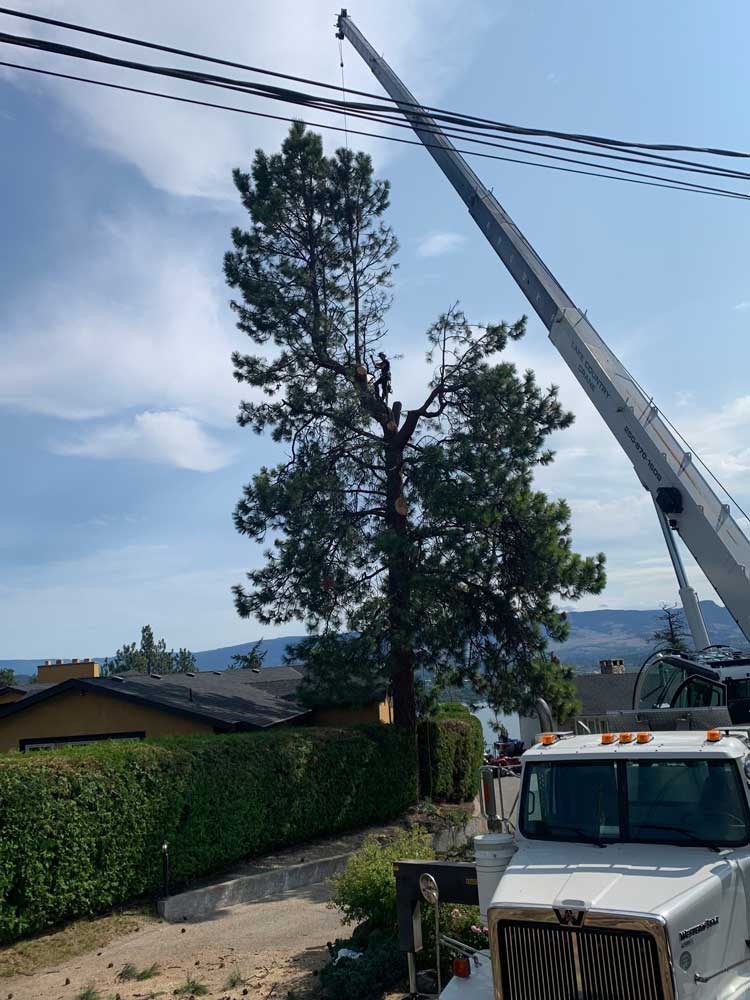
Dangerous Tree Assessment and Removal is sometimes about letting go. It includes a plan to protect structures, a crane where appropriate, road permits if needed, and traffic management. It also includes what comes after: Stump Removal & Grinding to eliminate tripping hazards and prevent suckering, and a replant plan suited to the site. I have told clients no to cabling and yes to removal more than once. They were disappointed for a day and relieved for years.
Species and site specifics that drive choices
No two species behave the same in wind. Silver maple grows fast with long, flexible wood that tolerates movement but forms weak, narrow crotches with included bark. White oak has strong wood but heavy limbs that build massive leverage. Douglas fir carries a sail that grabs winter wind, and its limbs do not interlock; it needs thoughtful reduction cuts more than cables. Birch tolerates dynamic cabling well because of its elasticity. Fruit trees respond to structural reduction and selective props more than to permanent cables, which can interfere with harvest.
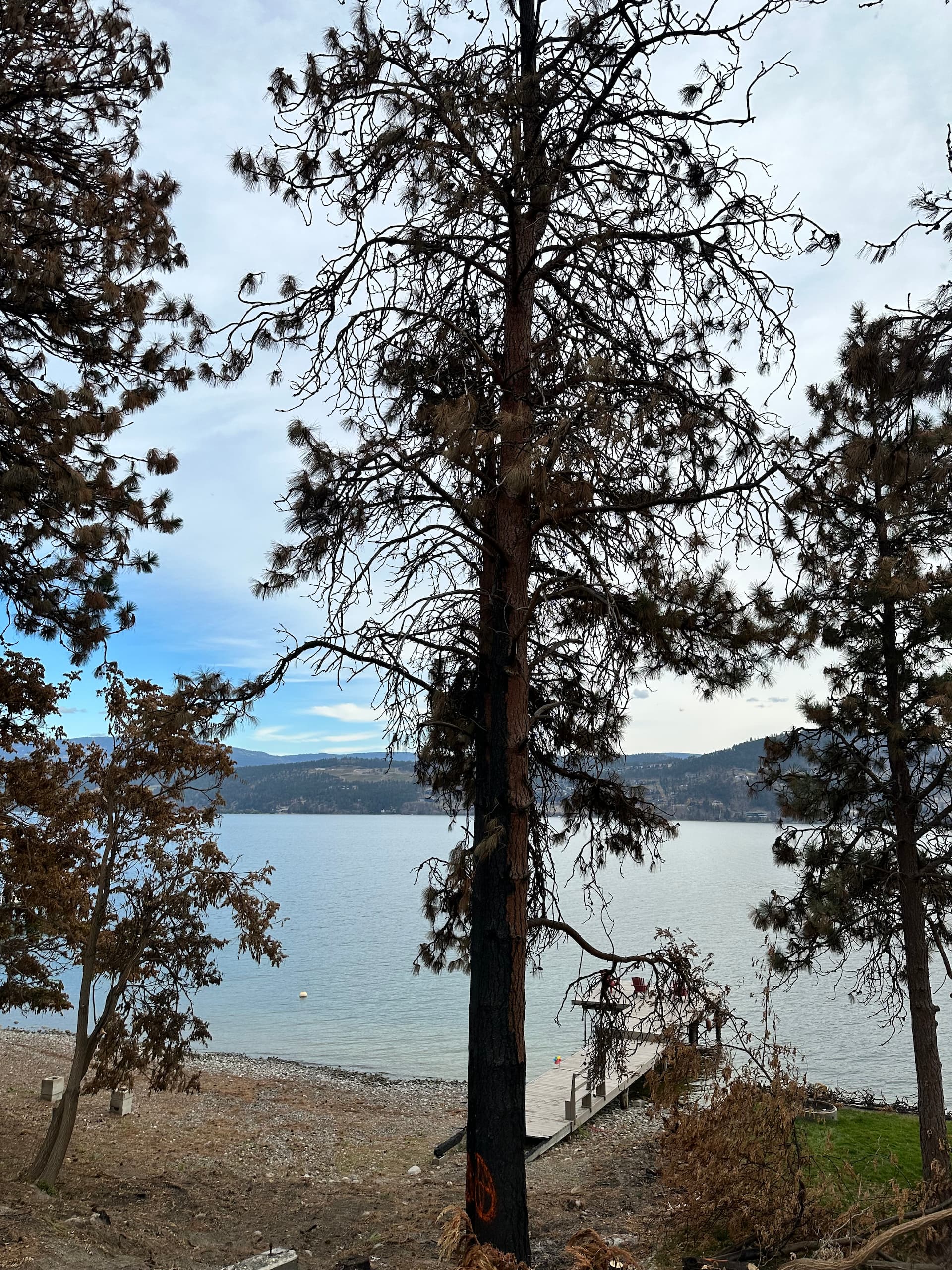
Site matters just as much. A hilltop home facing a winter storm track sees gusts that double those in the valley behind it. Coastal salt spray shortens hardware life. Urban heat islands accelerate growth in some species, which can outpace a static cable system if not monitored. FireSmart Tree Services in wildland urban interfaces call for selective thinning and ladder fuel reduction around anchored trees, because a supported crown is worth nothing if embers climb through understory to the canopy. I have installed cables in ponderosa pines at the edge of fire zones while also clearing surface fuels, limbing up lower branches, and creating defensible space. The cable kept a split union together; the FireSmart work kept the home safer when a grass fire burned within a hundred feet.
Installation day, without the drama
Most cabling jobs are quieter than neighbors expect. We stage, set cones where a drop zone crosses a sidewalk, and walk the anchors one more time before committing a drill bit to wood. For steel systems, we drill pilot holes sized to the shank, not the threads, to ensure solid bite and avoid splitting. For through bolts, we size and align, then chamfer entry points so washers seat against clean wood. Dynamic systems need precise sling placement around leaders and attention to bark plates to avoid crush or girdling.
Climbing riggers connect above the work point and use floating false crotches so their own ropes do not rub hardware or bark. Pre-tension on static cables is a judgment call; too little and the system does not engage when it should, too much and the limb stops moving naturally and loads transfer into the union in odd ways. We prefer just enough to set the angle without bowing. We torque nuts to spec, mark hardware for future inspection with paint dots, and document the layout with photos, measurements, and a map in the client file.
Jobs on large multi-stem trees can take most of a day with a two or three person crew. Smaller limbs sometimes wrap in under three hours. If lightning is in the forecast, we reschedule. Metal and storms do not mix.
Aftercare and inspection that make the system earn its keep
A support system is not a set-and-forget solution. Trees thicken, bark swallows hardware, and wind tests everything. The healthiest installs I see are paired with regular eyes on them and light, well timed pruning. Longer inspection intervals raise risk without saving much money.
- Inspect annually, and after any storm that drops limbs in the neighborhood Retorque nuts and bolts as needed in the first two years as the tree grows around hardware Clean and adjust dynamic systems so energy absorbers and slings are not bound by bark growth Revisit crown reduction cuts every 3 to 5 years to maintain lever arm control Replace components at manufacturer’s service life limits or when wear, corrosion, or UV damage appears
Clients sometimes want a once and done solution. Biology does not offer that. The tree you have today will not be the same in five years. A short checkup at the right time saves surprises later.
What it costs, realistically
Pricing varies with height, number of anchors, access, hardware type, and whether we combine the work with pruning. A simple two point dynamic cable on a mid sized maple that we can reach with a lightweight lift might fall in the few hundreds to low thousands. A steel system with two cables and a pair of through rods on a large oak, with rigging and traffic control, can run higher, often in the low thousands. Combining with Tree Pruning & Crown Shaping typically adds several hundred to a thousand or more depending on volume of cuts. Emergency Tree Services, where we respond after a storm with overtime labor or night work, involve premiums.
Honest estimates include inspection two to three months after initial install to retorque and verify performance, because wood compresses and hardware beds in. We build that into the plan.
Safety, property, and permits
Good rigging keeps installers and property safe. We protect rooflines with moving blankets where ropes might contact shingles, and we use cambium savers anywhere ropes could scar bark. On street trees, we secure permits for lane closures when required, and coordinate with utilities if service lines run near proposed anchor points. If a cable must cross a property line overhead, we document consent.
There are legal responsibilities, too. A defective installation that fails and causes damage exposes an owner and a contractor to claims. Following ANSI A300 support system standards and documenting every step is not bureaucracy, it is risk management.
What we do when a cable still fails
Even the best system will not turn a flawed union into flawless wood. I have been to storm sites where a supported leader broke beyond the cable or a bracing rod did its job yet the limb failed at another weak point. This is not a failure of the concept, it is a reminder that risk can be reduced, not erased. Emergency Tree Services exist for this reason. We triage, remove hanging limbs safely, tarp damage if needed, and schedule permanent repairs. Often we modify the remaining support system to fit the new structure, then revisit the pruning plan. If a tree crosses the line into unacceptable risk, we move to Dangerous Tree Assessment and Removal and handle Stump Removal & Grinding as part of the same project so you are not left with a hazardous nub.
A pair of brief field stories
A 42 inch white oak shaded a kitchen patio for three generations. Two co-dominant stems met in a narrow V with bark pressed in. A hairline crack appeared after a fall gale. Removal would have been a blow to summer life at that home. The owner accepted a plan: two through rods near the union, a static cable at roughly two thirds height, and a series of end weight reductions that shortened four overextended laterals by a combined fifteen feet while keeping natural form. Five years later, the call was about a different tree; the oak was holding, hardware had seated as expected, and new growth had thickened reaction wood around the union.
On a coastal lot, a trio of shore pines leaned windward over a deck. The trees were part of the home’s character. We chose dynamic cabling because the sway was constant and we wanted the trees to keep moving without shock loading. We paired it with FireSmart Tree Services, cleaning needles from gutters, limbing to reduce ladder fuels, and spacing shrubs. Two winters later, a big blow hit. The pines moved, cables engaged, nothing broke, and the deck stayed intact. The owner now treats inspections like they treat their roof checkups, part of the rhythm of coastal living.
Pairing cabling with a broader tree care plan
Support systems work best as one piece of an integrated plan. Certified Arborist Consultation is where that plan starts. We specify pruning to correct structure early on younger trees, because a few well placed reduction cuts at year five prevent a cable at year fifteen. We choose planting stock with strong central leaders. We pay attention to irrigation in the two summers after planting so trunks build diameter and taper. We thin crowded stands to reduce wind sail and turbulence, not just remove trees at random.
When a cable enters the picture, it fits this broader strategy. Less leverage, healthier wood, and a monitored structure produce the best safety return. It also keeps the visual integrity of the tree. A well installed system is discreet; neighbors seldom spot it unless you point it out.
Common questions, answered straight
Do cables damage trees? Any hardware creates a wound, but a correctly sized, properly placed bolt or sling is a manageable wound. Trees compartmentalize around it. Poorly placed lags or overtightened hardware create bigger problems than they solve.
Will a cable stop all movement? No, nor should it. Trees need to move to distribute forces and stimulate reaction wood. The goal is to limit movement at the union to safe ranges, not to immobilize the crown.
How long do systems last? Hardware life ranges from 7 to 15 years, sometimes longer for stainless components in benign environments, shorter near coasts or where bark swallows faster. Synthetic systems have manufacturer rated service lives that we respect. Annual inspections keep surprises at bay.
Can I skip pruning if I cable? Skipping pruning defeats the purpose. End weight reduction is often the most effective way to lower stress. Hardware without pruning leaves the lever arms long and the union under unnecessary strain.
Is cabling a guarantee? It is a risk reduction tool. If a zero risk outcome is required because consequences are unacceptable, removal and replanting is the safer path.
When you should call
If a seam just opened in a crotch, if a long limb hangs over a roof you value, or if a favorite tree has a known weak union, schedule a Certified Arborist Consultation. A walk around with someone who reads trees for a living will give you options and odds, not platitudes. Sometimes the answer is a neat support system with follow-up pruning. Sometimes it is Tree Removal Services paired with Stump Removal & Grinding and a replant that will grow into the role. Sometimes it is a mix, with FireSmart Tree Services improving overall resilience around a supported tree.
What you should never do is ignore a visible crack or install a hardware store cable tied around bark. I have removed more than a few of those improvised fixes after they girdled bark and hastened the failure they were meant to prevent. The cost of doing it right is small compared to the price of a preventable break over a driveway, a fence line, or a room where people sleep.
A sound tree, supported with care and managed with judgment, pays you back every hot afternoon it shades a deck, every winter storm it weathers without drama, and every spring it leafs out as if the wind never tried to take it. That is the point of cabling and bracing: not to dress a wound, but to keep living architecture upright and strong.
Ace Tree Services Ltd.
Name: Ace Tree Services Ltd.Address: 4656 Wallace Hill Road, Kelowna, BC
Postal code: V1W 4C2
Phone: 250-212-9593
Website: https://acetree.ca/
Hours:
Monday: 7:00 AM - 5:00 PM
Tuesday: 7:00 AM - 5:00 PM
Wednesday: 7:00 AM - 5:00 PM
Thursday: 7:00 AM - 5:00 PM
Friday: 7:00 AM - 5:00 PM
Saturday: 7:00 AM - 5:00 PM
Sunday: Closed
Open-location code (plus code): RHF8+8G Kelowna, British Columbia, Canada
Map/listing URL: https://www.google.com/maps/place/Ace+Tree+Services+Ltd./@49.8232606,-119.4337283,659m/data=!3m2!1e3!4b1!4m6!3m5!1s0x537d8b1d074815c5:0x450b88afa7a41435!8m2!3d49.8232606!4d-119.4337283!16s%2Fg%2F11ydkpnh22
Embed iframe:
"@context": "https://schema.org", "@type": "HomeAndConstructionBusiness", "name": "Ace Tree Services Ltd.", "url": "https://acetree.ca/", "telephone": "250-212-9593", "address": "@type": "PostalAddress", "streetAddress": "4656 Wallace Hill Road", "addressLocality": "Kelowna", "addressRegion": "BC", "addressCountry": "CA" , "openingHoursSpecification": [ "@type": "OpeningHoursSpecification", "dayOfWeek": "https://schema.org/Monday", "opens": "07:00", "closes": "17:00" , "@type": "OpeningHoursSpecification", "dayOfWeek": "https://schema.org/Tuesday", "opens": "07:00", "closes": "17:00" , "@type": "OpeningHoursSpecification", "dayOfWeek": "https://schema.org/Wednesday", "opens": "07:00", "closes": "17:00" , "@type": "OpeningHoursSpecification", "dayOfWeek": "https://schema.org/Thursday", "opens": "07:00", "closes": "17:00" , "@type": "OpeningHoursSpecification", "dayOfWeek": "https://schema.org/Friday", "opens": "07:00", "closes": "17:00" ], "geo": "@type": "GeoCoordinates", "latitude": 49.8232606, "longitude": -119.4337283 , "hasMap": "https://www.google.com/maps/place/Ace+Tree+Services+Ltd./@49.8232606,-119.4337283,659m/data=!3m2!1e3!4b1!4m6!3m5!1s0x537d8b1d074815c5:0x450b88afa7a41435!8m2!3d49.8232606!4d-119.4337283!16s%2Fg%2F11ydkpnh22"
Ace Tree Services Ltd. provides professional tree removal, pruning, stump grinding, emergency response, and arborist consultations for properties in Kelowna and across the Okanagan Valley.
The company works with homes, commercial properties, and municipal settings where tree work needs to be planned carefully around buildings, fences, driveways, landscaping, and other site constraints.
Based in Kelowna, the team is positioned to help nearby neighbourhoods and surrounding Okanagan communities with routine tree care and time-sensitive storm cleanup.
Customers looking for careful tree work often want a crew with certified arborist training, insurance, and a methodical approach to higher-risk removals.
Services also include dangerous tree assessment, cabling and bracing, and wildfire risk reduction tree work for properties that need longer-term planning.
To request a quote or discuss tree care options, call 250-212-9593 or visit https://acetree.ca/.
A public map listing is available to help customers confirm the business location and get directions before a site visit or estimate.
For Kelowna property owners who need pruning, removals, or emergency tree help, a local tree service can make it easier to schedule site-specific recommendations and cleanup.
Popular Questions About Ace Tree Services Ltd.
What services does Ace Tree Services Ltd. provide?Ace Tree Services Ltd. lists tree removal, stump removal and grinding, tree pruning and crown shaping, emergency tree service, arborist consultation, dangerous tree assessment and removal, cabling and bracing, and wildfire risk reduction tree work.
Who does Ace Tree Services Ltd. serve?
The company describes its work as serving homes, businesses, and municipalities in Kelowna and across the Okanagan Valley.
Is emergency tree help available?
Yes. Emergency service is listed for downed or uprooted trees, dangerous tree assessment, stabilization work, and branch cleanup. If a tree is near power lines, the safest first step is to stay clear and contact the utility provider before any tree work begins.
Do I always need a permit to remove a tree?
Not always. Permit requirements can depend on where the tree is located and whether it is near a creek, lake, steep slope, or another protected area. It is best to check local rules for the specific property before removal work starts.
How deep does stump grinding usually go?
Standard stump grinding is typically described as going about 6 to 12 inches below ground level, which is often enough for grass or surface landscaping. Deeper grinding may be possible when site plans call for it.
How much of a tree can be safely removed at one time?
That depends on the species, age, health, and structure of the tree. In practice, good pruning is usually about removing the right limbs for health, clearance, and structure rather than chasing a fixed percentage.
What are common signs that a tree may be dangerous?
Large dead limbs, visible cracks, a new lean, root damage, canopy dieback, or storm-related damage can all be warning signs. Trees near structures deserve extra attention when any of those issues appear.
What is cabling and bracing in tree care?
Cabling and bracing are support systems used to reduce the risk of failure in trees with structural weaknesses that may still be worth preserving. They are generally used to add support, not to replace good assessment and ongoing maintenance.
How do I contact Ace Tree Services Ltd.?
Call 250-212-9593.Website: https://acetree.ca/.
Landmarks Near Kelowna, BC
Downtown KelownaThe downtown core is a practical reference point for lakefront neighbourhoods, mixed-use streets, and central residential properties. If your property is near downtown, tree pruning, removals, and cleanup can be planned around tighter access and nearby structures.
Knox Mountain Park
This well-known park north of downtown is a recognizable landmark for nearby homes and hillside properties. If you are close to this area, ask about tree assessment, trimming, or removal work suited to sloped sites.
Mission Creek Greenway
The greenway runs through several parts of Kelowna and is a useful landmark for nearby residential areas. If your property borders or sits near this corridor, site-specific tree planning is especially important.
Pandosy Village
Pandosy is one of Kelowna’s most recognizable neighbourhoods and a common reference point for south-central properties. If you are nearby, request help for pruning, removals, or storm cleanup around homes and small commercial sites.
Rutland
Rutland is a major east Kelowna neighbourhood with a mix of residential and local commercial properties. If you are located in or near Rutland, tree work can be scheduled for both routine maintenance and urgent situations.
Landmark District
This central business-focused area is a practical landmark for offices, service properties, and nearby residential streets. If your site is near the district, ask about careful tree work around parking, access lanes, and built-up lots.
Kelowna’s North End
The North End sits on the edge of downtown and is a useful reference for nearby homes, industrial sites, and commercial properties. If you are in this part of the city, request tree care based on the layout and constraints of the lot.
Airport District
The Airport District is a recognizable north Kelowna reference point for surrounding properties and access routes. If you are in this area, ask about tree services for residential acreage, commercial sites, or roadside cleanup needs.
Glenmore & Dilworth
These established Kelowna neighbourhoods are useful landmarks for central and north-central service calls. If your property is nearby, pruning and removal work can be tailored to mature trees and established landscapes.
Highway 97 Corridor
Highway 97 is one of the city’s main travel routes and a common way to describe location within Kelowna. If your home or property is just off the corridor, a clear landmark reference can help speed up quote scheduling and site planning.